
REVIEW · INDIA
Romance Etched in Stone – A Heritage walk among Temples of Bhubaneswar
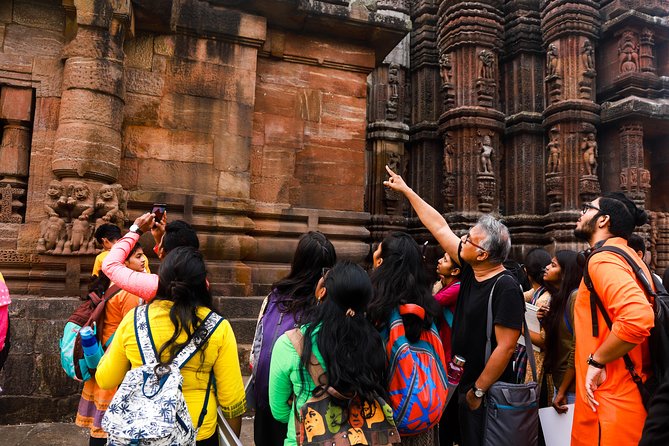
The most memorable part of this Bhubaneswar walk is not simply seeing six temples. It is hearing how each stone, shrine, tank, and carving fits into the city’s religious life. Starting early, you move through Old Town while the day is still cool, with time to look closely rather than rush from one photo stop to the next.
I like the private format, which lets you set the pace and ask for more detail where your interest takes you. I also like the light breakfast from a local shop, a small touch that makes the morning feel connected to the city rather than packaged for tourists.
The main consideration is the walking. The route lasts about three hours and is best for active people who are comfortable on foot. You also need to bring or buy your own water, since bottled water is not included.
Key points to know before booking
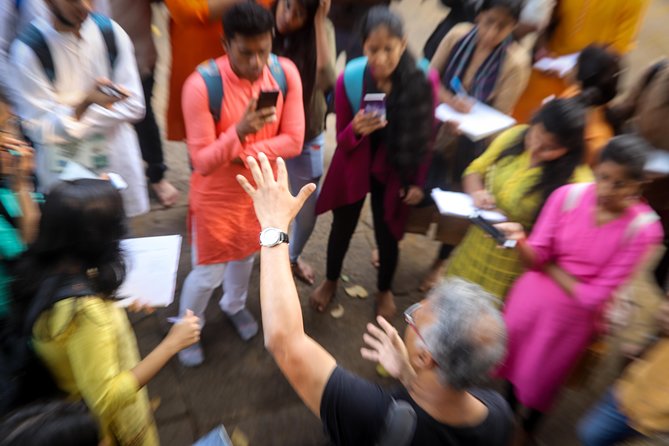
- Six heritage stops in about three hours: The route links Mukteswara, Parsurameswara, Kedargauri, Ananta Vasudeva, Lingaraja, and Bindu Sagar.
- A 6:30 am start: The early hour helps you avoid the strongest heat and gives the Old Town portion of the walk a calmer feel.
- A genuinely private outing: Only your group takes part, and the route can be adjusted to suit your interests and needs.
- Architecture across several periods and traditions: You see early Shaiva temples, a Vaishnavite temple, a Khakhara-style shrine, and the city’s grandest temple complex from the outside.
- Breakfast is included, water is not: A light snack from a local food shop is provided, but you should carry water.
- Best for curious walkers: This is built for people who want stories and context, not just a checklist of famous buildings.
Why this Old Town walk feels different
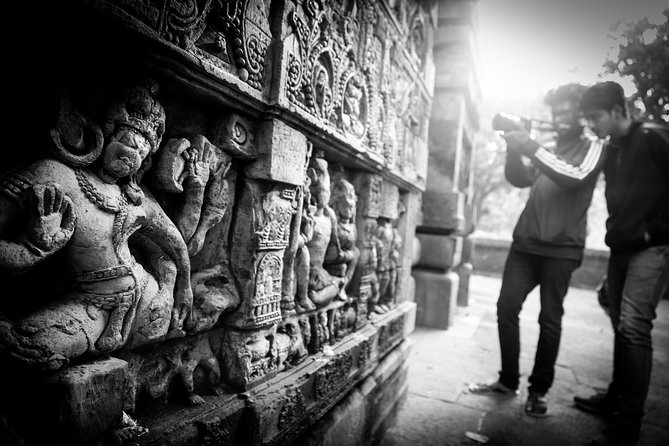
Bhubaneswar is often called the Temple City, but that label can flatten the experience. The important question is not how many temples you can count. It is how clearly you can see the changes in design, worship, and local tradition from one shrine to the next.
This walk gives you a useful sequence. You begin with Mukteswara, one of the finest examples of Odia temple architecture, then move to the much earlier Parsurameswara Temple. From there, the route introduces Kedargauri, Ananta Vasudeva, Lingaraja, and Bindu Sagar.
That order matters. You are not looking at isolated monuments. You are watching a regional style develop and seeing how different forms of Hindu worship share the same urban setting.
The guide’s role is central. Basic information about dates and names is easy to find, but the real value comes from the stories tied to the buildings and the way they function as living religious places. The walk is designed to go beyond surface-level facts, so you can ask questions and spend more time on the details that catch your eye.
A private group also changes the rhythm. If you care about carvings, you can linger. If you want the wider story of Odisha’s capital, you can keep moving. The tour is customizable, though the supplied details do not specify exactly how much the route can be changed.
A few more romantic experiences around India worth a look
- Lisbon: 1,5 Hours Historical Tuk Tour for Two Persons.
★ 5.0 · 13 reviews - Verona by Moonlight: A Nighttime Path Through History and Romance
★ 4.0 · 10 reviews - Romantic history tour of Belgrade
★ 5.0 · 8 reviews
Mukteswara Temple: the morning begins with fine detail
Mukteswara Temple receives about 30 minutes, and it is a strong place to begin. The temple is described as one of the finest examples of Odia architecture, built during a period when temple design had reached a high point.
For you, that means this is the moment to look closely. Notice the overall shape, the carved surfaces, and the way the building presents itself as a complete work rather than a simple stone shelter. Your guide can help explain what makes its design important instead of leaving you to admire it without context.
The early start suits Mukteswara. At 6:30 am, you have a better chance of seeing the temple before the heat builds. You should still wear comfortable shoes and carry water, since this is a walking tour and the weather policy requires suitable conditions.
Admission is listed as free. That keeps the $29.99 price focused on the guide, private format, local insight, and breakfast rather than entry charges.
Parsurameswara Temple: one of Bhubaneswar’s earliest survivors
The next 30-minute stop is Shree Parsurameswara Temple, built in the seventh century AD. It is one of the earliest surviving temples in Bhubaneswar, which gives the walk a clear historical anchor.
Here, I would pay attention to the contrast with Mukteswara. You are not being asked to memorize a string of dates. You are being shown how temple architecture changed over time and how much can still be read from buildings that have survived for centuries.
The temple is also a good test of the guide’s storytelling. A date alone is not enough to make an early monument meaningful. The best part of this stop should be the explanation of what you are seeing and why this particular building matters within Bhubaneswar’s temple tradition.
Another 30 minutes here means the morning is not a quick pass-by. Still, six stops in approximately three hours requires a steady pace. If you want long periods for quiet photography or close study, you may need to ask how the timing can be adjusted.
Kedargauri Temple: a living place of worship
Kedargauri gets about 15 minutes, making it a shorter but important stop. It is a living temple, and the Gouri shrine is identified as a Khakhara temple.
That distinction gives this portion of the walk a different feel. You are not looking only at an old structure preserved for its artistic value. You are seeing a place that remains part of religious life. The word living matters here because it points to the continuity between heritage and present-day worship.
The Khakhara form adds architectural variety to the route. Rather than seeing the same temple shape repeated six times, you encounter a different style and a different religious setting. The shorter visit means your guide will need to make the explanation focused, but the private format gives you a chance to ask for more if this is the style that interests you most.
Remember to approach active religious sites with care and follow any local instructions. The information provided does not specify access rules or photography restrictions, so ask your guide before assuming every area is open.
More Walking Tours in India:
- Big Fat Indian Wedding, shopping & bazaar walking tour in Chennai
★ 5.0 · 15 reviews - Santorini: Customized Private Photoshoot Walk in Oia
★ 5.0 · 335 reviews - Hamburg: Private Couples’ Photoshoot and Walking Tour
★ 4.9 · 212 reviews - Venice: Winter Walking Tour & Romantic Gondola Ride Upgrade
★ 4.2 · 179 reviews
Ananta Vasudeva Temple: a different religious tradition
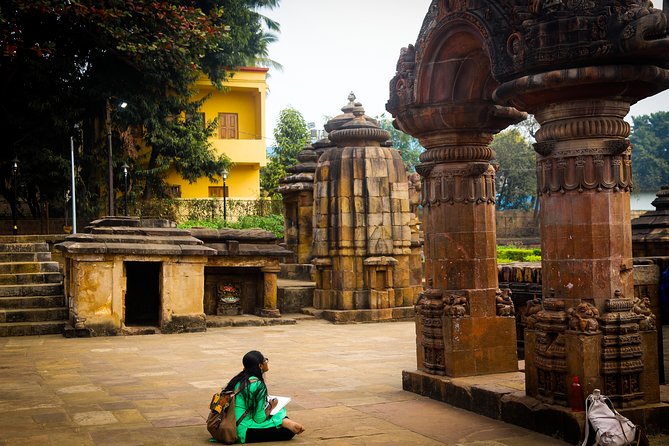
Ananta Vasudeva Temple is scheduled for about 15 minutes and has a special place in the route. It is identified as the only Vaishnavite temple in the region.
That makes it more than another stop on a temple tour. Most of the route’s emphasis is connected with Shaiva traditions, while Ananta Vasudeva gives you a chance to consider a different branch of Hindu worship within the same city.
I like this contrast because it keeps the morning from becoming visually repetitive. Your guide can connect the temple to the wider religious character of Bhubaneswar and explain why its presence matters.
The short timing is enough for an introduction, but not for an extended visit. If Vaishnavite traditions are a major reason you are booking, mention that when arranging the private tour. The experience is customizable, so your interests may help shape how much attention this stop receives.
Lingaraja Temple: the grand centerpiece
Lingaraja Temple receives the longest visit, about 45 minutes. It is the most famous temple in the city and its tallest, described as the second-tallest surviving example of Kalinga architecture after Jagannath Temple in Puri.
This is the point where the scale of Bhubaneswar’s temple tradition becomes easiest to grasp. After the earlier shrines, Lingaraja gives you the major landmark that ties the city’s identity to its architecture and worship.
The time allocation makes sense. A large and important temple needs more than a quick photograph, especially when your guide is explaining its place in Kalinga architecture. You should expect the conversation to focus on design, religious importance, and the way Lingaraja relates to the other buildings you have already seen.
The supplied information does not say whether non-Hindu visitors can enter the temple or whether this tour includes interior access. Do not assume that it does. The safest expectation is a guided heritage visit with the access rules explained locally.
Lingaraja is also a good point to think about the tour’s limits. You are seeing a lot in one morning, but this is not a full archaeological study. Its strength is the connection between several major sites and the stories that make them easier to understand.
Bindu Sagar: water, memory, and the Old Town
The final stop is Bindu Sagar, the largest tank in the Old Town area. It is fed by a perennial natural spring and is linked to many local stories.
After several temples, the tank gives the walk a change of pace. Water helps explain the shape and feeling of Old Town, while the stories connected with Bindu Sagar add a social and religious layer to the buildings around it.
The 15-minute visit is brief, but it provides a useful closing note. You finish not with another carved facade, but with a place tied to the daily and sacred life of the neighborhood.
This is also where the walk’s storytelling focus matters most. A tank can look like a simple open space if you do not know why it is important. With context, it becomes part of the city’s wider story, linking the temples and the people who continue to use them.
Breakfast makes the early start worthwhile
A light breakfast from a local food shop is included. The details of the food are not specified, so you should think of it as a modest local snack rather than a full meal.
That distinction matters because the tour begins at 6:30 am. You may want to eat something before meeting the guide, especially if you need a substantial breakfast. The included food is best viewed as a pleasant local pause during the walk.
I like this feature because it adds a practical reason to start early and connects the experience to an ordinary neighborhood business. It also gives you a chance to ask about what you are eating, though the available information does not promise a food-focused tour.
Bring your own bottle of water or plan to buy one. Water is specifically excluded, and the route takes place outdoors on foot.
Is $29.99 good value?
At $29.99 per person, the price is reasonable if you want explanation rather than independent sightseeing. The six temple stops are free to enter, so the main purchase is the private guide, the route design, the cultural context, the breakfast, and the ability to shape the experience around your group.
For one person, the cost may feel higher than simply walking to the temples alone. But going independently means doing your own research, finding the sites, deciding how long to stay, and making sense of the differences between the buildings. If you value a clear story and personal questions, the fee can be worthwhile.
The value improves for families, couples, or small groups that can use the group discount. Since only your group participates, you are not paying to follow a large crowd at someone else’s pace.
The price is less compelling if you mainly want quick photographs or already know Bhubaneswar’s temple architecture well. You will spend about three hours walking, and the tour’s main benefit is interpretation.
Who should book this experience?
I would choose this for an active first-time visitor to Bhubaneswar who wants a strong introduction to Old Town. It also suits anyone who prefers a private walk and enjoys asking questions as they go.
It is a good match if you like:
- Historic buildings explained through stories, not just dates
- Short walks between several major sights
- Early starts and cooler morning conditions
- Living places of worship
- A flexible route shaped around your interests
- A small local food stop rather than a formal meal
You may want a different plan if you dislike walking, need a late start, or want long, unhurried visits at only one or two temples. The route covers six stops in roughly three hours, so its strength is variety and connection.
The tour is listed as suitable for most people, but the walking remains the key practical issue. Wear shoes you can use comfortably for a full morning and carry water. Public transportation is nearby, and the meeting point is Mukteshwar Mahadev Temple in Old Town.
Practical details before you go
The meeting point is Mukteshwar Mahadev Temple, at 6RVR+35P, Kedar Gouri Vihar, Old Town, Bhubaneswar, Odisha 751019. The start time is 6:30 am, and the walk returns to the same meeting point.
Confirmation is provided when you book. This is a private activity, so only your group participates. Group discounts are available, and the ticket can be used on a mobile device.
Free cancellation is available up to 24 hours before the start time for a full refund. Changes or cancellations made less than 24 hours before the start are not accepted for a refund. Poor weather or failure to reach the minimum number of participants can lead to a new date, another experience, or a full refund.
Should you book the Bhubaneswar temple walk?
Book it if you want the temples to make sense as a connected part of Bhubaneswar’s culture, rather than as six separate stops. The private format, early start, local breakfast, and story-led approach give the morning a personal feel.
Skip it if you prefer to explore alone, avoid walking, or want interior access guaranteed at every temple. For most active visitors who have limited time in the city, $29.99 is a fair price for a focused Old Town introduction with room to ask questions and adjust the pace.
FAQ
How long is the heritage walk?
The experience lasts approximately three hours.
What time does the tour begin?
The tour begins at 6:30 am.
Where does the tour start and finish?
It starts at Mukteshwar Mahadev Temple in Bhubaneswar’s Old Town and ends back at the same meeting point.
Is this a private tour?
Yes. Only your group participates, and the route can be customized to suit your interests and needs.
Is breakfast included?
Yes. Light snacks from a local food shop are provided as part of the experience.
Is bottled water included?
No. You need to carry or buy your own water.
Just added around India
- Romantic tour in Visakhapatnam★ 4.5 · 3 reviews
- Romantic Sunrise Boat with Live Banaras Gharana Classical music★ 5.0 · 2 reviews
- The Indian Wedding Tour : Dance, Textile, Workshops all inclusive★ 5.0 · 9 reviews
- Romantic Sunset at the Taj Mahal: Day Trip from Delhi to Agra★ 5.0 · 14 reviews
- Delhi : Wedding Shopping Tour with Female Guide★ 5.0 · 2 reviews
- Candlelight Dining Experience for Two On a Yacht in Mumbai★ 4.0 · 8 reviews
- Kerala Honeymoon Package★ 5.0 · 3 reviews
- Kerala Honeymoon Special Package with Private Houseboat★ 5.0 · 4 reviews
Walking Tours, compared.


Hamburg: Private Couples’ Photoshoot and Walking Tour
Read our review →
Winter Walking Tour & Romantic Gondola Ride Upgrade
Read our review →

Luxembourg City Romantic Game: Walking Tour & Scavenger Hunt
Read our review →


Meißen: Guided Walking Tour ‘Romantic Evening Stroll’
Read our review →Browse the lists this tour appears in