
REVIEW · INDIA
Romantic Sunrise Boat with Live Banaras Gharana Classical music
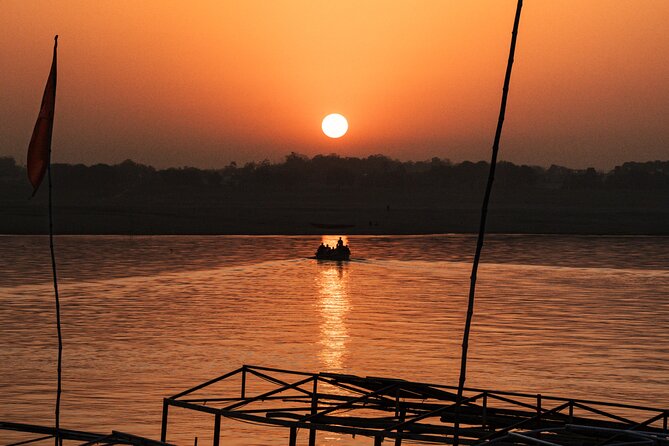
The best part of this early morning boat ride is the chance to see Varanasi wake up from the Ganges, with sunrise light on the ghats and live Banaras Gharana classical music setting the mood. It is a gentle way to meet the city before the streets grow busy.
I like the small group limit of 10, which should make it easier to see the riverfront and hear your guide. I also like the route, which passes eight important ghats, from Assi Ghat to Manikarnika and Panchganga, rather than stopping at just one famous viewpoint.
The main consideration is the 5:00 am start and the strict non-refundable policy. You must arrange your own way to BrijRama Palace, and poor weather or low numbers can affect the departure.
Key points at a glance
- Sunrise from the Ganges: Watch the first light spread across Varanasi’s ghats from the river.
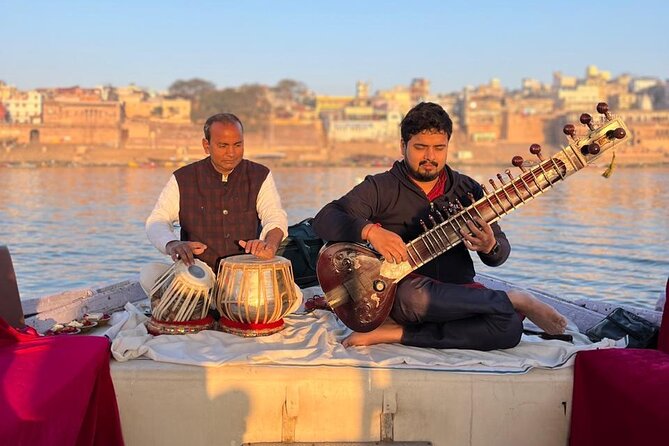
- Live Banaras Gharana music: Classical Indian music accompanies the boat ride instead of leaving you with only engine noise.
- Eight ghats in about two hours: The route includes Assi, Tulsi, Shivala, Kedar, Dashashwamedh, Manmandir, Manikarnika, and Panchganga.
- Small group setting: The maximum group size is 10 people, useful for a quieter and more personal outing.
- Tea, coffee, and water included: You receive simple refreshments during the early start.
- Guide support: A licensed guide leads the outing. Aman is named in the supplied information as a guide and trip planner connected with tours in Varanasi.
A quiet beginning on the Ganges at 5:00 am
Varanasi is easiest to appreciate from the water. From a boat, you look back toward a long line of steps, temples, old buildings, and small shrines rather than trying to follow the riverfront on foot.
This tour begins at 5:00 am at BrijRama Palace, beside Darbhanga Ghat. That early hour is not a minor detail. You will need to wake before dawn, but the reward is a cooler, calmer river and the chance to see the ghats under changing morning light.
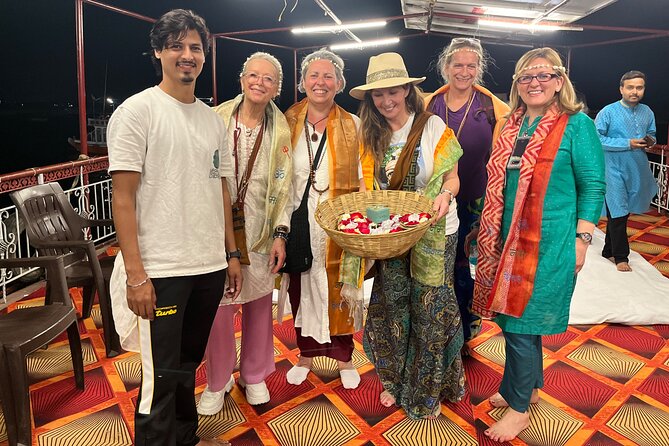
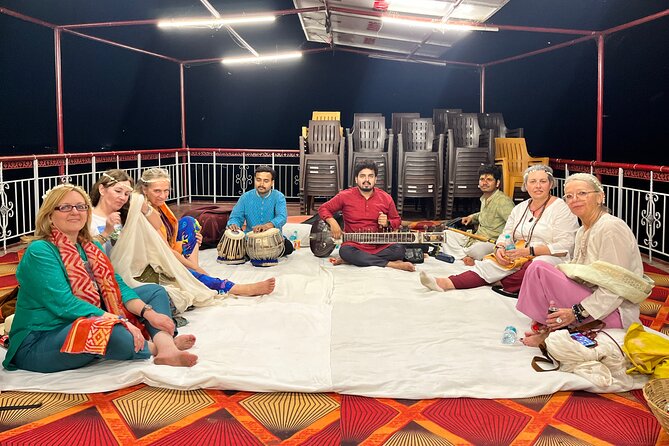
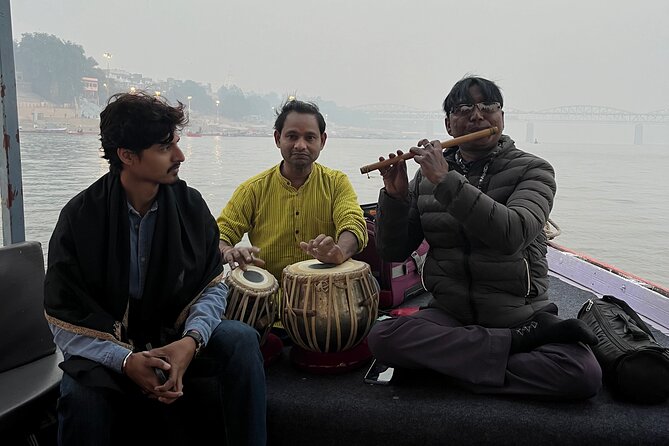
The musical element gives the ride a clear identity. Live classical music from the Banaras Gharana tradition adds a local cultural focus to what could otherwise be a standard sightseeing cruise. The music is intended to accompany the sunrise, not replace the guide’s explanation of the places along the river.
The tour lasts about two hours and returns to the same meeting point. You are not being rushed between distant attractions. Instead, the boat follows the river and pauses at a series of ghats, with about 15 minutes assigned to each listed stop.
A few more romantic experiences around India worth a look
- Romantic Sunrise Balloon Tour in Majorca
★ 5.0 · 466 reviews - Koh Lanta: Romantic Sunrise Private Gondola Tour
★ 5.0 · 60 reviews - 1 Day – Bromo Sunrise Romantic Breakfast // 00.30 – 13.00
★ 5.0 · 37 reviews
What the small boat format means for you
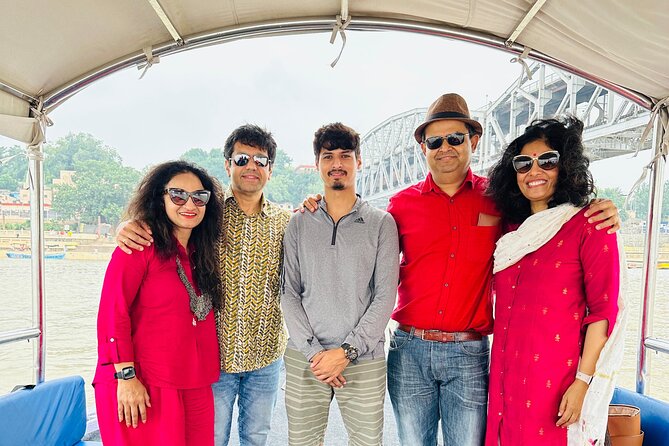
The maximum group size is 10. That is a useful middle ground. You get more structure than with an independent boat hire, but you avoid the feel of a large group excursion.
A licensed guide is included, so you can ask about the buildings, religious importance, and local stories connected with each ghat. Aman is specifically identified as a guide and trip planner, and the information provided describes him as offering detailed knowledge of the place and its history. He may not be the guide on every departure, so treat his presence as something to confirm when booking.
Tea or coffee and bottled water are included. These are modest additions, but they matter at 5:00 am, especially if you have not had breakfast. All fees and taxes are also included, so the listed price of $57.35 per person is easier to assess without adding several small charges later.
The ticket is mobile, which keeps the meeting process simple. The catch is transportation. Pickup and drop-off by public or private vehicle are not included. You must reach BrijRama Palace, Varanasi, at Darbhanga Ghat in time for departure and return there at the end.
Assi Ghat and Tulsi Ghat: the first look at Varanasi
Assi Ghat is the opening stop. It is one of Varanasi’s prominent riverfront ghats and takes its name from the Assi River, which meets the Ganges here.
This is a useful first stop because it gives the route a clear starting point at the southern end of the listed circuit. As the sky begins to brighten, you can take in the scale of the riverfront without trying to absorb the entire city at once.
The itinerary allows 15 minutes at Assi Ghat. That is enough for an introduction and some photographs, but not enough for a long exploration on foot. You will see the ghat from the river, with the guide providing context as the boat moves or pauses.
Tulsi Ghat follows. It is named for Tulsidas, the poet and saint associated with the Ramcharitmanas. This stop adds a literary and religious layer to the morning. Varanasi is not only a place of temples and rituals. Its riverfront is also tied to poetry, devotional writing, and performance traditions.
The short stop works well if you want a broad overview. If you are hoping to study every building or spend time ashore, the schedule will feel tight.
Shivala Ghat and Kedar Ghat: quieter riverfront views
Shivala Ghat is described as a less-known part of the route, with historic architecture and temples connected with Lord Shiva. Compared with the city’s most famous ghats, it offers a calmer change of pace.
That contrast is one of the better features of the itinerary. A morning on the Ganges should not be only a procession of famous names. The quieter sections help you see that Varanasi’s riverfront is made up of many distinct places, not one single sightseeing zone.
Kedar Ghat comes next. It is associated with the Kedar Nath temple in the Himalayas and is noted for its peaceful setting and views toward the river.
Each of these stops receives about 15 minutes. You can expect an overview rather than a detailed temple visit. The tour is conducted from the boat, so the value lies in the views, the guide’s explanation, and the changing atmosphere as the sun rises.
If you are interested in architecture, have your phone ready before the boat reaches each ghat. Mobile tickets are accepted for the tour, and your phone will also be your main camera and note-taking tool unless you bring separate equipment.
Same place, a different kind of evening:
- Experience Andamans® – Andaman Honeymoon Package
★ 5.0 · 201 reviews - Neo Travel Mart Kerala Honeymoons Packages
★ 5.0 · 49 reviews - Jaipur Full Day Sightseeing With Female Guide (Only for female and Couples)
★ 5.0 · 41 reviews - Big Fat Indian Wedding, shopping & bazaar walking tour in Chennai
★ 5.0 · 15 reviews
Dashashwamedh Ghat and Manmandir Ghat
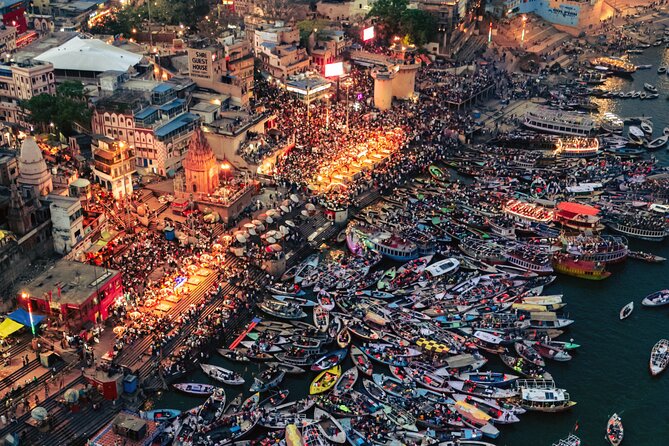
Dashashwamedh Ghat is one of Varanasi’s best-known riverfront sites and a major gathering point near the city center. It is also closely associated with the evening Ganga Aarti, a major river ritual.
This morning tour offers a different view of the ghat. Instead of seeing it only at night with lamps and crowds, you can watch it in the soft light of early day. The supplied information also refers to a morning arati being part of the memorable atmosphere, but the exact timing and visibility of any ceremony can depend on the day.
The 15-minute stop gives you time to see the ghats from the river and listen to the guide. It does not promise a full ceremony, and you should not book it solely as an arati tour. Its main focus remains the sunrise boat ride, the music, and the riverfront route.
Manmandir Ghat follows. Maharaja Man Singh of Amber built it in the 17th century, and it is known for its architecture and cultural importance. This stop is useful for understanding how rulers and courtly patrons shaped the riverfront.
The two ghats work well together. Dashashwamedh connects you with Varanasi’s public ritual life, while Manmandir points toward royal building projects and older architectural traditions. The guide’s role matters here because the buildings can look similar from the river if you do not know what separates one ghat from another.
Manmandir is listed without an admission charge. Most of the route is presented as part of the boat outing, but the tour does not promise extended entry into every temple or building.
Manikarnika Ghat: a respectful part of the route
Manikarnika Ghat is Varanasi’s primary cremation site for Hindus and one of the most sacred places on the river. It is also the point at which the tour calls for the most care and respect.
You may see funeral activity from the boat. This is not a photo opportunity or a performance. Keep your camera down if the guide indicates that photography is not appropriate, and follow local instructions without turning the scene into a spectacle.
The presence of Manikarnika gives the route more depth. Varanasi’s relationship with the Ganges includes celebration, prayer, music, daily bathing, and death rites. A boat ride that shows only colorful buildings would give you an incomplete picture of the city.
The tour allows around 15 minutes here. The guide can help explain the ghat’s spiritual role, but the short stop also limits how much discussion can take place. Listen carefully and avoid expecting a polished sightseeing presentation at a place where real families may be carrying out serious religious duties.
This is one reason the tour may suit adults and older children better than very young children, though the supplied details say most people can participate.
Panchganga Ghat and the return to BrijRama Palace
Panchganga Ghat is the final listed stop. It is traditionally associated with the meeting of five sacred rivers: the Ganges, Yamuna, Saraswati, Godavari, and Krishna.
The belief gives the ghat a strong religious identity, even though you are looking at the physical meeting with the Ganges from the boat. It is a fitting final stop because the morning has moved from the southern end of the riverfront toward several of Varanasi’s most important spiritual sites.
After Panchganga Ghat, the activity ends back at the original meeting point. The stated duration is approximately two hours, and each of the eight stops is assigned about 15 minutes. Since river conditions, boarding, and the order of movement can affect timing, you should avoid scheduling an important early appointment immediately afterward.
The return to BrijRama Palace is convenient if you are staying nearby or already planning to visit the riverfront. It is less convenient if you need a hotel transfer, since no pickup or drop-off service is included.
Is $57.35 good value?
At $57.35 per person, this is not the cheapest way to see the Ganges. A simple local boat ride may cost less, particularly if you arrange one directly. The comparison is not quite like for like, though.
Here, you are paying for a guided route through eight ghats, a small group capped at 10, live classical music, tea or coffee, bottled water, and included fees and taxes. You also get a fixed early start and a clear return point.
I consider the price reasonable for someone who wants a planned cultural outing rather than a basic boat hire. The music is the feature that gives the tour extra value. If you mainly want a boat, sunlight, and river views, you may find the price harder to justify.
The value also depends on your schedule. A 5:00 am start takes commitment, but it gives you a special part of the day that is difficult to recreate later. If you are already planning to see the ghats, this tour combines sightseeing with music instead of requiring a separate river trip.
Who should book this sunrise cruise?
I would recommend this tour to couples looking for a memorable morning, families who prefer a structured outing, and friends who want a shared cultural activity without a large group. The title says romantic, but the description makes clear that the boat is intended for all ages and types of groups.
It should also suit first-time visitors who want a broad introduction to Varanasi’s ghats. You will see eight named sites in one morning and receive explanations from a licensed guide, which can help you understand the riverfront before exploring it independently.
Music lovers have a particular reason to consider it. Live Banaras Gharana classical music gives the journey a local artistic focus, and it fits the quiet hour better than a recorded soundtrack would.
You should think twice if you dislike early starts, have limited mobility that makes boarding difficult, or need guaranteed transportation from your accommodation. The activity says most people can participate and allows service animals, but it does not provide detailed information about boat access or specific arrangements for every mobility need.
Also consider the cancellation terms. The experience is non-refundable and cannot be changed after booking. If poor weather causes cancellation, you are offered another date or a full refund. If the minimum number is not reached, you are offered another date or experience, or a full refund. Otherwise, canceling does not produce a refund.
Should you book it?
Book it if you want sunrise, music, and a guided look at Varanasi’s ghats in one compact outing. The small group, eight-stop route, and included refreshments make it more useful than a bare-bones river cruise, and the live classical music is a genuine point of difference.
Skip it if your priority is the lowest possible price, hotel transportation, or a flexible departure. The 5:00 am start and non-refundable booking rule require planning.
For most visitors who can manage the early hour, this is a thoughtful way to begin a Varanasi stay. Go with realistic expectations: it is a two-hour overview from the river, not a full walking tour of every ghat. That limited scope is also its strength, giving you a calm, well-shaped introduction before the city reaches its daytime pace.
FAQ
Where does the boat tour start?
It starts at BrijRama Palace, by the Ganges, at Darbhanga Ghat in Dashashwamedh, Bangali Tola, Varanasi.
What time does the tour begin?
The scheduled start time is 5:00 am.
How long does the activity last?
The boat ride lasts approximately two hours.
Where does the activity end?
It ends back at the original meeting point at BrijRama Palace.
How many people can join the tour?
The activity has a maximum of 10 travelers.
Which ghats are included?
The route includes Assi Ghat, Tulsi Ghat, Shivala Ghat, Kedar Ghat, Dashashwamedh Ghat, Manmandir Ghat, Manikarnika Ghat, and Panchganga Ghat.
Is a guide included?
Yes. A licensed guide is included.
Is music included during the boat ride?
Yes. The experience includes live classical music associated with the Banaras Gharana tradition.
Are food and drinks included?
Coffee or tea and bottled water are included.
Is transportation to the meeting point included?
No. Pickup and drop-off by public or private transportation are not included.
Can I cancel for a refund?
The activity is non-refundable and cannot be changed for any reason. If the operator cancels because of poor weather or because the minimum number of participants is not reached, you are offered another date or experience, or a full refund.
Just added around India
- Romantic tour in Visakhapatnam★ 4.5 · 3 reviews
- The Indian Wedding Tour : Dance, Textile, Workshops all inclusive★ 5.0 · 9 reviews
- Romantic Sunset at the Taj Mahal: Day Trip from Delhi to Agra★ 5.0 · 14 reviews
- Delhi : Wedding Shopping Tour with Female Guide★ 5.0 · 2 reviews
- Candlelight Dining Experience for Two On a Yacht in Mumbai★ 4.0 · 8 reviews
- Kerala Honeymoon Package★ 5.0 · 3 reviews
- Kerala Honeymoon Special Package with Private Houseboat★ 5.0 · 4 reviews
- Jaisalmer Private Dinner on Dunes★ 5.0 · 3 reviews
Cruises & Boat Tours, compared.

Romantic Cruise with 3-course Dinner on Seine River
Read our review →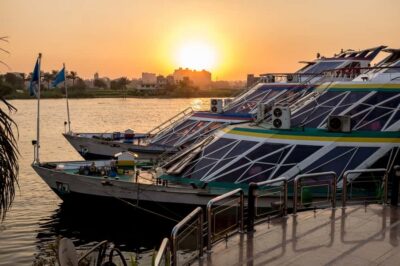
Nile Sunset Dinner Cruise, Show & Optional Transfer
Read our review →
Candlelit Dinner River Cruise with Live Music
Read our review →
Budapest Danube River Candlelit Dinner Cruise with Live Music
Read our review →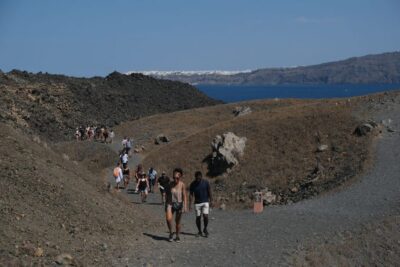
Volcano and Hot Springs Sunset Dinner Cruise
Read our review →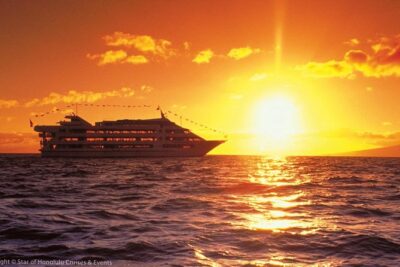
Three Star Deluxe Sunset Dinner Cruise and Show
Read our review →

Sydney Harbour Sunset Dinner Cruise from Darling Harbour
Read our review →Browse the lists this tour appears in