
REVIEW · ROMANTIC EXPERIENCES
Dominican Republic: 3-Hour Chocolate Lovers Tour
The most interesting part of this chocolate tour is that it begins long before the candy bar. You follow cacao from sowing and harvesting through fermentation, drying, factory processing, and tasting. I like that you get your hands involved by planting your own cacao plant, and I like the honest focus on fermentation, a stage that often gets skipped on quick plantation visits.
The included local lunch and hot chocolate add real value to the $83 price. My main caution is timing: the experience is sold as three hours, but one booking recorded about two and a half hours. Since transportation is not included, you also need to arrange your own way to El Sendero del Cacao.
Key points about the Dominican cacao experience
- Plant your own cacao: You take part in the sowing stage instead of only watching a demonstration.
- Follow cacao from pod to chocolate: The tour covers harvest, cutting, bean extraction, fermentation, drying, and factory processing.
- Visit two types of cacao operation: You see an organic plantation and a smaller site with more automated processing.
- Taste chocolate with all five senses: The tasting session explains how to assess chocolate beyond simply calling it sweet.
- Lunch and hot chocolate are included: The meal gives the three-hour visit a useful break and adds a local food element.
- Easy language access: Guides lead the experience in English, Spanish, or French, and the site is listed as wheelchair accessible.
Starting at El Sendero del Cacao
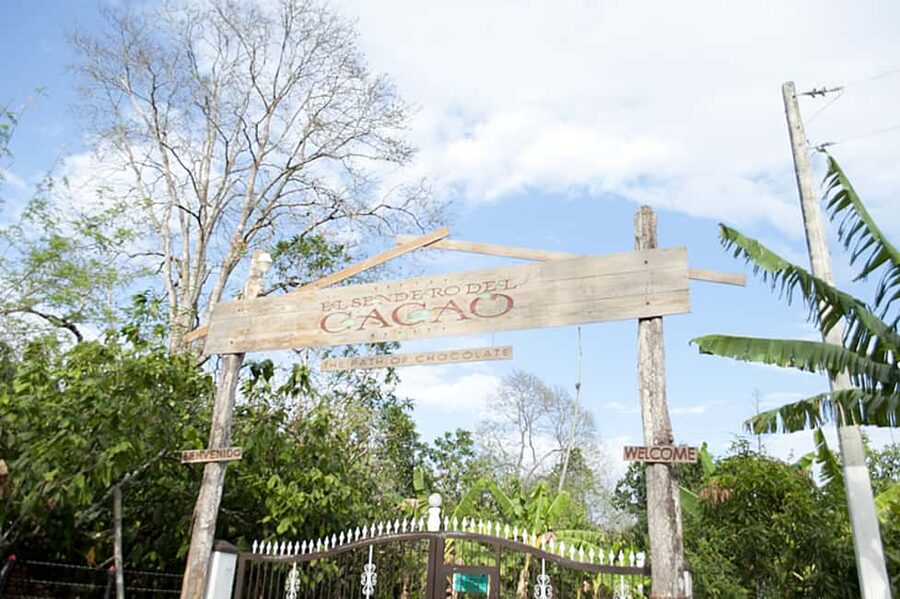
The tour meets at El Sendero del Cacao, Duarte, 31000, Dominican Republic, in the Distrito Nacional area. Transportation is not included, so this is not a hotel pickup excursion. You need to reach the meeting point on your own and should allow enough time to arrive ready for an outdoor visit.
The setting matters. Cacao is not made in a factory alone. The quality of the final chocolate begins with the plant, the growing conditions, and the way the beans are handled after harvest. Starting at a plantation helps you see that the product has an agricultural life before it reaches a wrapper.
Wear comfortable shoes and comfortable clothes. The tour includes time at a plantation, so practical clothing makes more sense than anything delicate or formal. The information does not specify how much walking is involved, so anyone with mobility concerns should confirm details in advance, even though the activity is listed as wheelchair accessible.
The experience lasts about three hours. One booking recorded a shorter visit of roughly two and a half hours, so I would keep your schedule flexible rather than planning a tight connection immediately afterward.
Other romantic things couples book around the world:
- Romantic Venice: 30 Minute Gondola Ride with Serenade
★ 3.5 · 2,742 reviews - Paris: Romantic Cruise with 3-course Dinner on Seine River
★ 4.3 · 2,295 reviews - Cairo: Nile Sunset Dinner Cruise, Show & Optional Transfer
★ 4.1 · 2,184 reviews
Planting a cacao tree from the beginning
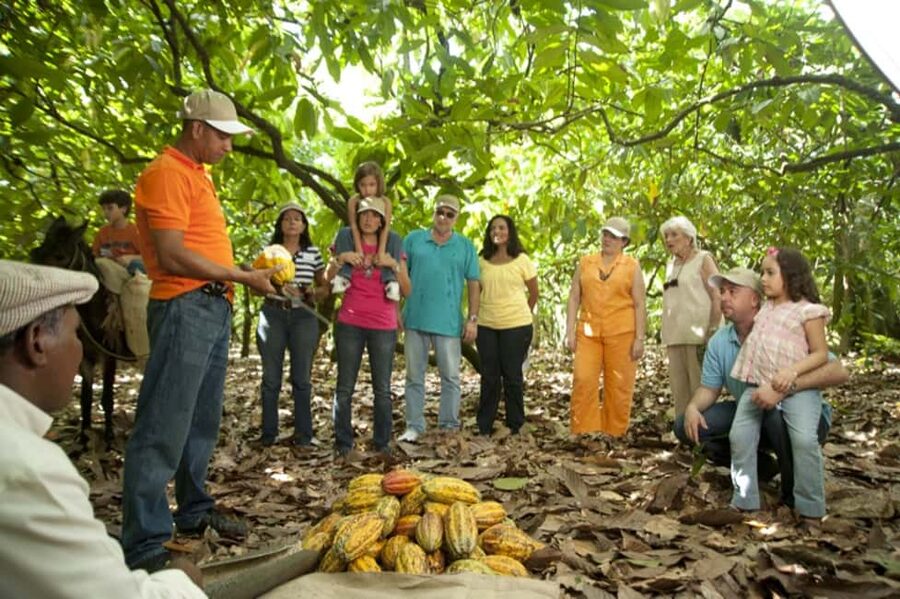
The first useful lesson is simple: chocolate begins with a plant. You get to sow your own cacao plant, which gives the agricultural part of the tour a hands-on purpose.
That small act helps explain the long chain behind a finished chocolate. You are not just shown a plantation and told that cacao grows there. You take part in the first stage, then follow the beans through the later steps. For children, families, and anyone who likes practical demonstrations, this can be more memorable than a lecture.
The plantation visit also introduces the Dominican Republic’s growing conditions. The tour explains the local ecosystem and why the country provides suitable conditions for fine cacao. The supplied information does not identify particular crops, elevations, or weather patterns, so you should expect a broad explanation rather than a technical farming seminar.
You then learn about the harvest, the cutting of a cacao pod, and the extraction of its beans. This is an important point for first-time visitors. Cacao beans do not arrive at the factory ready to become chocolate. They must be removed from the pod and handled carefully before the familiar flavor develops.
Fermentation and drying, where flavor takes shape
The post-harvest section is the part I would pay close attention to. Fermentation and drying are described as key factors in chocolate quality, and the tour gives them more attention than many short tasting visits do.
You learn what happens after the beans leave the pod. Fermentation changes the beans and helps develop the flavors that later appear in chocolate. Drying then prepares them for the next stage. The exact methods and equipment are not specified, so the depth of the explanation may depend on the guide and the day’s operation.
Still, this section gives you a better way to judge chocolate. A finished piece is not only about the percentage printed on the package or how sweet it tastes. The handling of the cacao after harvest affects aroma, flavor, and quality. That connection makes the later tasting more useful.
I also like that the tour places cacao in its local setting. You are not simply told that Dominican chocolate is good. You learn why the country can grow fine cacao and how farming, post-harvest work, and processing are tied together.
A small factory and the smell of finished chocolate
At some point, you follow your sense of smell toward the chocolate factory. The wording suggests a sensory transition from raw cacao to processed chocolate, and the factory visit focuses on the final steps in making the finished product.
You also visit another plantation where you can see more automated cacao processing on a small scale. This gives the tour two useful angles. The first plantation shows the crop and the basic work behind it. The second site lets you observe equipment and a more organized processing system without losing the connection to the farm.
The operation is described as small scale, not as a major industrial plant. That is important for setting expectations. You should expect a close look at processing methods rather than a huge production floor filled with machinery.
The visit returns to fermentation and drying, reinforcing why those stages matter. Repetition is helpful here because the process has several steps, and it is easy to remember only the exciting parts, such as tasting and factory smells. The tour keeps bringing you back to the work that determines the quality of the final chocolate.
A few more romantic experiences around the world worth a look
- Classic, Romantic Paris: 3-Hour Vintage 2CV Tour
★ 4.7 · 120 reviews - 3 Hour Sunset Dinner Cruise by Solaris Yacht in Miramar Beach
★ 4.0 · 97 reviews - 3-Hour Swim with Horses and Romantic Dinner from Hurghada hotels
★ 5.0 · 9 reviews - 3 Hours Private Capri by Boat for Couples
★ 5.0 · 8 reviews
Learning to taste chocolate with five senses
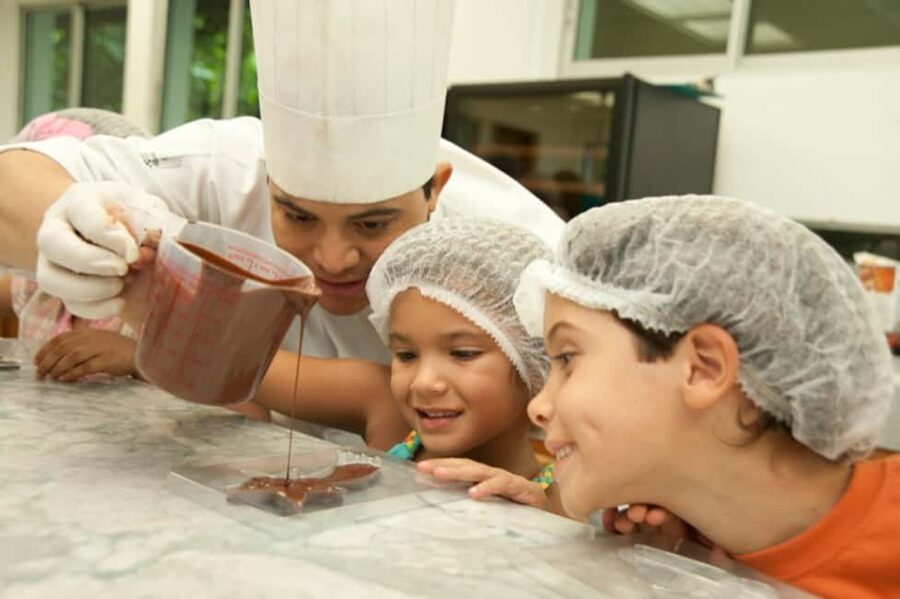
After the plantation and processing sections, you have an exclusive chocolate tasting session. The tasting is presented as an exercise using all five senses, not simply a chance to eat several samples.
You learn to pay attention to appearance, aroma, texture, sound, and flavor. The tour does not provide a formal tasting list, so I would not expect a published menu of specific bars or cacao percentages. Instead, expect instruction on how to approach chocolate with more care.
This is useful for anyone who buys fine chocolate or wants to understand why one piece tastes different from another. Smell is especially important. You may notice how much of your first impression comes from aroma before the chocolate even reaches your mouth.
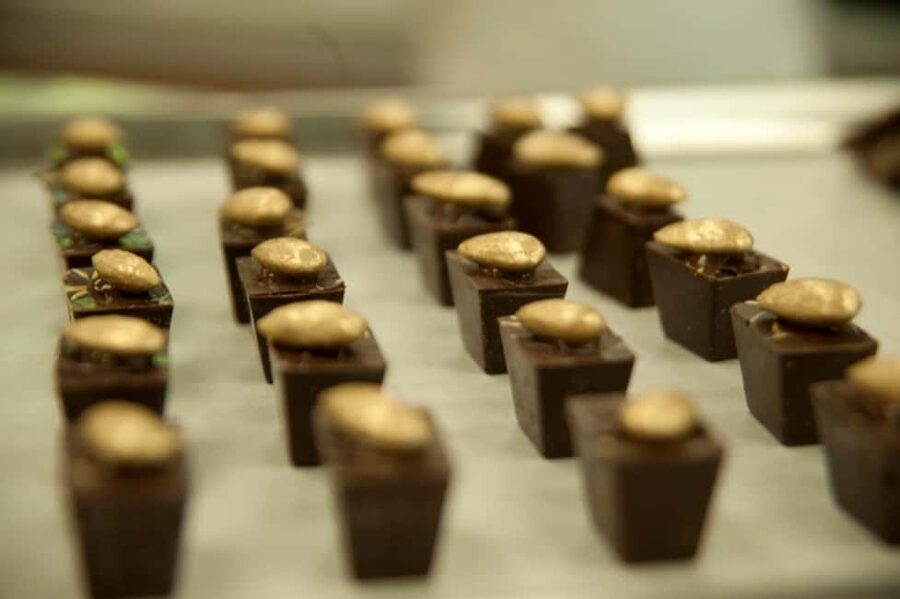
The tasting also ties neatly to the earlier factory visit. You have learned about sowing, harvest, bean extraction, fermentation, drying, and processing. Now you get a chance to consider the result. The lesson is not that every person must prefer bitter or dark chocolate. It is that quality has several parts, and your senses can help you notice them.
The word exclusive suggests a more focused session than a casual sample handed out at a shop. Even so, the available details do not explain how many chocolates you taste or how long the session lasts. If tasting is your main reason for booking, keep that uncertainty in mind.
Lunch and hot chocolate in the middle of the visit
Lunch is included, along with hot chocolate. That helps the $83 price make more sense, especially because the tour lasts several hours and includes both a plantation visit and factory instruction.
The meal is described as local, but no menu is provided. You should not book this expecting a specific dish or a full restaurant experience. Think of lunch as part of the cultural side of the visit and a pause between the cacao lessons.
The hot chocolate is a fitting extra, though the information does not say whether it is served before, during, or after the tasting. It gives you another way to experience cacao in prepared form and makes the visit feel less like a classroom session.
Food needs can be important here. Since there is no menu or dietary information, ask the provider in advance if you have allergies or restrictions. Chocolate can contain or come into contact with ingredients that matter to some diners, and the available details do not promise special meal options.
Dominican culture through cacao
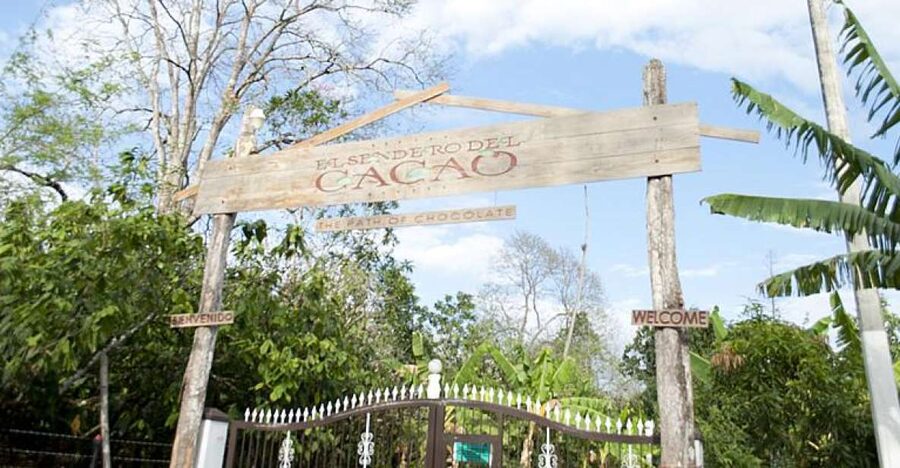
The tour presents cacao as part of Dominican culture, not just an export crop or a sweet treat. That cultural focus is one of its better features because food often provides a direct way to understand a place.
You see how farming, local ecosystems, post-harvest work, and food traditions connect. The experience is described as a fun way to learn about Dominican culture, but it remains centered on cacao rather than trying to cover the whole country.
That narrow focus is a strength if you want a subject taught properly. It is not the right choice if you want a broad city tour, a general history lesson, or a full-day countryside outing. The activity gives you a close look at one product and the people and processes behind it.
Guides speak English, Spanish, and French. That makes the tour easier to enjoy for mixed-language groups. No guide names are provided, but the available feedback points to a friendly and well-organized guide experience, with one Italian-speaking participant describing the guide as very pleasant.
Is $83 a fair price?
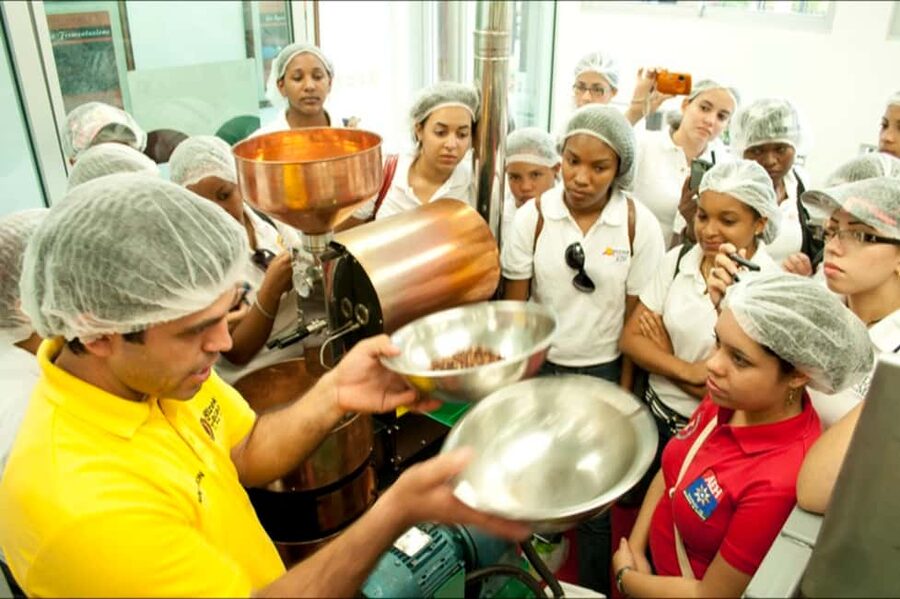
At $83 per person, this is not a cheap chocolate tasting. The price includes the guided tour, hot chocolate, lunch, plantation instruction, factory access, and the tasting session. It also includes a hands-on planting activity and a look at both traditional and more automated processing.
For me, the value depends on what you want. If you only want to eat chocolate, the cost may feel high. If you want to understand how cacao becomes chocolate and prefer a structured educational visit with food included, the price is easier to justify.
Transportation is the main extra cost to remember. You must arrange your own route to El Sendero del Cacao, and the activity does not include gratuity. A tip is optional, so you can decide what feels appropriate after the visit.
The booking terms are useful for uncertain schedules. You can cancel up to 24 hours before the activity for a full refund, and you can reserve now and pay later. Starting times depend on availability, so check the actual date before building the rest of your plans.
Who will enjoy this three-hour visit?
I would recommend this tour to anyone who wants more than a quick chocolate sample. It suits food-focused visitors, families who like hands-on activities, and people curious about farming or small-scale production.
It is also a good match for visitors who want a less polished, more process-focused food experience. You learn about the parts of chocolate making that usually remain out of sight, especially fermentation and drying.
The tour may not suit you if you dislike structured instruction, have only a short window in the Dominican Republic, or expect transportation from your hotel. It may also disappoint if you want a large factory with a long production line. The factory visit is described as small scale, with some automated processing, not as a major industrial attraction.
Mobility needs deserve a quick check. The experience is listed as wheelchair accessible, which is helpful, but the information does not describe paths, surfaces, distances, or restroom access. Contact the provider if you need those details before booking.
Final decision: book it for the process
Book this experience if you want to understand the full cacao story, from planting a seedling to tasting the finished chocolate. The best parts are the hands-on sowing, the attention to fermentation and drying, the two plantation and processing settings, and the included lunch.
Skip it if your main goal is a short tasting, a broad Dominican culture tour, or a package with transportation included. Also keep a little spare time after the scheduled three hours, since one booking lasted about two and a half hours and exact timing may vary.
With a strong overall rating of 4.9 from four recorded ratings, the tone is clearly positive, especially around organization, interest, and the guide. The only practical warning is the uncertain length. For a chocolate lover who values the story behind the treat, this is a focused and worthwhile half-day plan.
FAQ
How long does the chocolate tour last?
The tour is scheduled for three hours. One booking recorded a duration of about two and a half hours, so allow flexibility around the stated time.
Where does the tour meet?
The meeting point is El Sendero del Cacao, Duarte, 31000, Dominican Republic, in the Distrito Nacional area.
Is transportation included?
No. You must arrange your own transportation to and from the meeting point.
What food and drinks are included?
The experience includes lunch and hot chocolate. The specific lunch menu is not provided.
Which languages are available?
The live tour guide can lead the experience in English, Spanish, or French.
Is the activity wheelchair accessible?
Yes. The activity is listed as wheelchair accessible. The provided information does not give further details about paths or facilities, so contact the provider if you need specific accessibility information.
Can I cancel or pay later?
You can cancel up to 24 hours in advance for a full refund. You can also reserve now and pay later, subject to the booking terms.
Just added around the world
- From Zadar: Romantic Sunset Sailboat Tour★ 5.0 · 5 reviews
- Zakynthos: Romantic Sunset Tour & the Legend of the Dragon★ 5.0 · 4 reviews
- Zadar: Romantic Sunset Boat Tour with Champagne★ 4.9 · 11 reviews
- Tenerife: Photography Sessions – Families, Couples, Friends★ 5.0 · 26 reviews
- Romantic Zadar Sunset and Night Coctails Cruise★ 4.8 · 25 reviews
- Weimar: Adventure Date, Walk with Quiz and Dinner for Couples★ 3.8 · 12 reviews
- YOUR HONEYMOON IN TUSCANY: Private Chianti Wine Tasting Tour★ 5.0 · 3 reviews
- Warsaw: Romantic Cruise with Prosecco–Birthdays & Proposals★ 5.0 · 2 reviews
3-Hour Experiences, compared.

Classic, Romantic Paris: 3-Hour Vintage 2CV Tour
Read our review →
3 Hour Sunset Dinner Cruise by Solaris Yacht in Miramar Beach
Read our review →
3-Hour Swim with Horses and Romantic Dinner from Hurghada hotels
Read our review →
BRYGGJA ROMANTICA – 3 Hour Romantic Tour in Bruges
Read our review →
Total Reboot and Renew with top wellnes 3 hours couple experience
Read our review →Browse the lists this tour appears in