
REVIEW · LISBON
Lisbon Trendy Downtown – From Romantic Chic to Postmodern Glamour
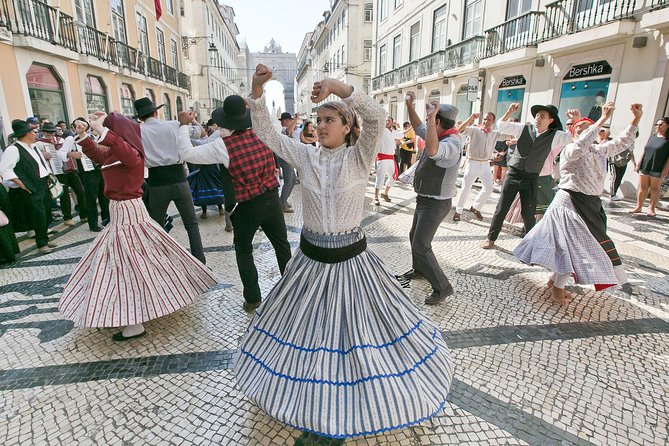
Lisbon’s downtown tells its story in layers: an earthquake rebuilt the Royal Square, 19th-century lifts and cafés, old department stores, tiled facades, and the literary world of Chiado. This private walk connects those pieces instead of treating each sight as a quick photo stop. I especially like the attention to architectural details and the way the route ends in lively Praça Luís de Camões.
I also like the photographer who accompanies the guide, a useful touch if you want more than phone snapshots of your Lisbon visit. Guide Luis has been praised for pointing out small clues in tiles, shopfronts, and buildings, then explaining what those details once meant. The main drawback is that food, drinks, and paid extras are not included, so the price covers the walking experience rather than a series of tastings.
Key Points to Know Before You Book
- A private walk for your own group: A minimum of two people is required, and only your group participates.
- Lisbon’s two central districts in one route: The walk links Baixa’s formal squares with Chiado’s cafés, bookstores, shops, and literary landmarks.
- A close look at ordinary details: Expect attention to pavement patterns, tiles, storefronts, old department stores, and traces of former businesses.
- A photographer comes along: The experience includes a professional photographer guide, not only a standard walking guide.
- A history-led itinerary: The 1755 disaster, later rebuilding, Romantic Lisbon, and the city’s café culture shape the walk.
- Plan for three to four hours on foot: Wear comfortable shoes and keep room in your schedule for stops, photos, and short pauses.
Starting at Lisbon’s Royal Square
The walk begins at Estação Ferroviária do Sul e Sueste, beside the river and close to Praça do Comércio, also called Terreiro do Paço. This is a smart meeting point. It places you at the edge of Baixa, where Lisbon’s grand rebuilding project is easiest to understand.
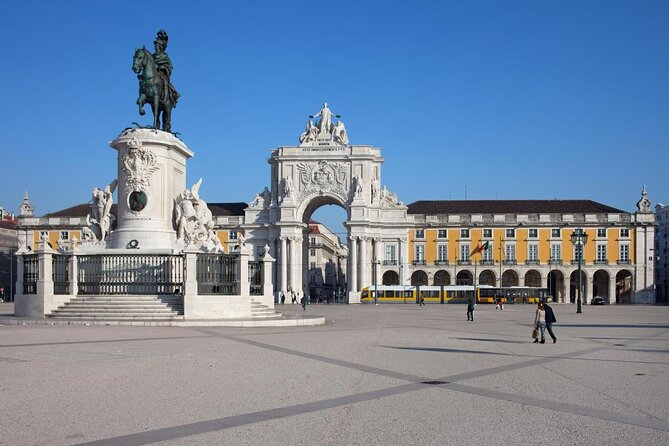
Praça do Comércio is broad, formal, and open to the water. Its yellow buildings frame the square on three sides, while the pier gives you a direct view toward the Tagus. The square was rebuilt after the 1755 earthquake and tsunami, so your guide can use the setting to explain how old Lisbon changed into the orderly downtown you see today.
You get about 20 minutes here. That is enough time to take in the scale, hear the basic story, and photograph the arcades and sculptures without turning the stop into a long lecture. Admission is free, and there is no separate sight ticket to arrange.
I would arrive a few minutes early. The meeting point is at a major transport hub, and the route begins right away with the city’s most important historical reset.
A few more romantic experiences around Lisbon worth a look
- Romantic Photoshoot Experience for Couples in Lisbon
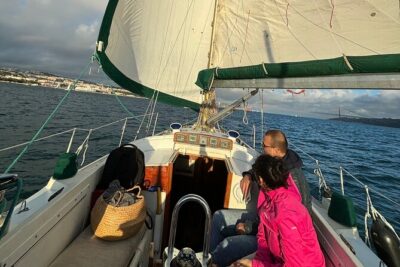
★ 4.9 · 78 reviews - Private Romantic cruise with sparkling wine- 2-Hour- Lisbon
★ 4.9 · 52 reviews - Private Tour Romantic Sintra, Cabo da Roca & Cascais
★ 5.0 · 51 reviews
Santa Justa and the Downtown Rebuilt After 1755
From the square, the route moves into Baixa and toward the Elevador de Santa Justa. The lift is one of Lisbon’s most recognizable structures, with its tall iron frame rising above the streets. The tour presents it as part of a wider story about downtown after the catastrophe, not as an isolated photo opportunity.
The stop also brings in several less obvious pieces of Lisbon life: Pastelaria A Camponesa and the old Animatógrafo. That mix is useful. You get the famous landmark, then see how cafés and entertainment venues helped shape daily life in the rebuilt center.
The listed time here is about 15 minutes, and admission is free as part of the walking route. This does not mean the tour includes a ride up the lift. If you want the elevator experience itself, ask your guide about the plan for the day and be prepared for any separate arrangements or queues.
The route’s real value is the explanation around the structure. Luis, one of the guides associated with this experience, has been praised for showing decorative evidence on buildings and explaining what shops once occupied a space. That kind of close reading can make a familiar landmark more interesting.
Praça Dom Pedro IV and the Patterns of Baixa
Next comes Praça Dom Pedro IV, generally known as Rossio. This is one of the city’s key public squares, with an 18th-century frame of buildings, the National Theater, wave-pattern pavement, and long-standing coffee shops.
The pavement matters here. Lisbon’s calçada is not just a surface for walking. Its patterns help give the central districts their particular look, and this is one of the places where you can see how the black-and-white design works across a large public space.
You spend about 15 minutes here. That is enough to understand the square and its position in the city, though it is not a museum visit or a detailed tour of the National Theater. If you enjoy urban design, café culture, and public spaces, this stop should hold your attention. If you prefer long interior visits, the schedule may feel quick.
I like that the route does not rush straight from one famous object to another. The squares give you room to understand how Lisbon functions as a city, with theaters, cafés, pavement, and street life all sharing the same setting.
Praça da Figueira and Lisbon’s Small Shops
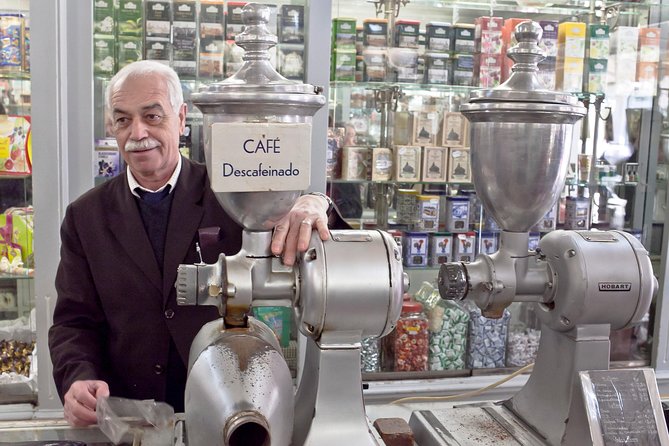
Praça da Figueira follows with a look at some of the more unusual shops in the area. The most memorable example is the Hospital for Dolls, a distinctive local business with a playful name and a strong connection to Lisbon’s traditional shopping culture.
The stop lasts about 15 minutes. The point is not simply to buy something. It is to see the kinds of specialist shops that give central Lisbon character, including places that would be easy to miss if you were walking only between major monuments.
This part may suit you especially well if you like odd corners, small businesses, and objects with a story. The tour can also help you decide where to return later, since shopping is woven into the route rather than added as a sales stop.
The food and drink policy is worth keeping in mind. Alcoholic drinks and refreshments are available to purchase in the area, but they are not included in the tour price. The same applies to food unless a specific value-added offer is provided by your guidebook.
Same place, a different kind of evening:
- Romantic Private Sailboat in Lisbon for couples
★ 5.0 · 38 reviews - Romantic Sunset Sailing Experience in Lisbon
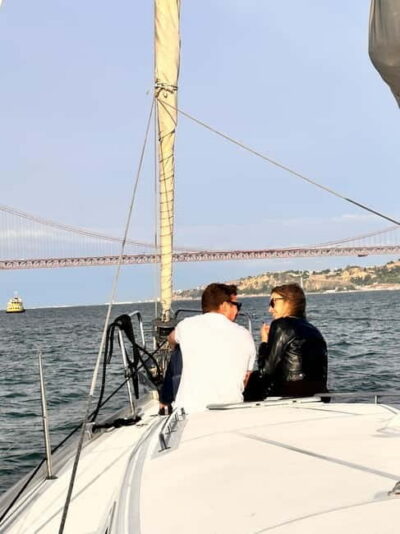
★ 5.0 · 33 reviews - Lisbon Private Romantic 2h Cruise with sparkling wine-Day/Sunset
★ 5.0 · 24 reviews - Lisbon: 1,5 Hours Historical Tuk Tour for Two Persons.
★ 5.0 · 13 reviews
São Domingos, Ruins, and a Taste of Ginjinha
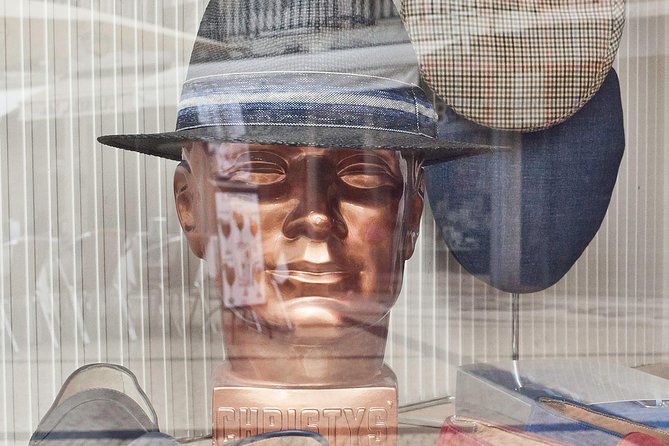
Igreja de São Domingos offers a dramatic change of mood. The church has a grand facade, while the interior shows overwhelming fire damage and ruins. The contrast between the formal exterior and damaged interior makes this one of the more powerful stops on the route.
The visit also includes a masonic churchyard and the chance to learn about the cherry liqueur found nearby. The experience does not include alcoholic drinks, so any tasting or purchase is your own expense. That is a minor extra cost, but it gives you flexibility rather than forcing every participant into the same food plan.
You spend around 15 minutes here. The church is a good reminder that Lisbon’s story includes more than the 1755 disaster. Fire, rebuilding, religious spaces, and changing city life all appear along the same short stretch of downtown.
I would keep your expectations practical. This is a guided exterior and neighborhood stop rather than a long church visit with a separate admission program. Its strength is the setting and the explanation, especially if you want history connected to visible damage and repair.
Luvaria Ulisses and the Old Carmo Wall

The route then moves toward Luvaria Ulisses, one of the city’s most unusual tiny shops. It is built directly into the massive Carmo Wall, making the shop itself part of the architecture. The experience also points out other notable stores, including Grandes Armazéns, known as a Parisian-style department store that was rebuilt after a serious fire in 1988.
This is exactly the kind of stop that rewards a guide who watches the small details. You might walk past a narrow doorway without understanding why it matters. Here, the shop, the wall, and the history of retail become one compact story.
The scheduled stop is about 15 minutes. The shop is extremely small, so this is not a place for a large group to spread out. Since the activity is private, your guide can manage the pause around your group more easily than a large public walk could.
If you enjoy shopping, old commercial districts, or unusual uses of historic buildings, this section is one of the strongest parts of the tour. If you want plenty of time to browse and buy, plan to return independently.
Chiado’s Department Stores and Changing Retail Life
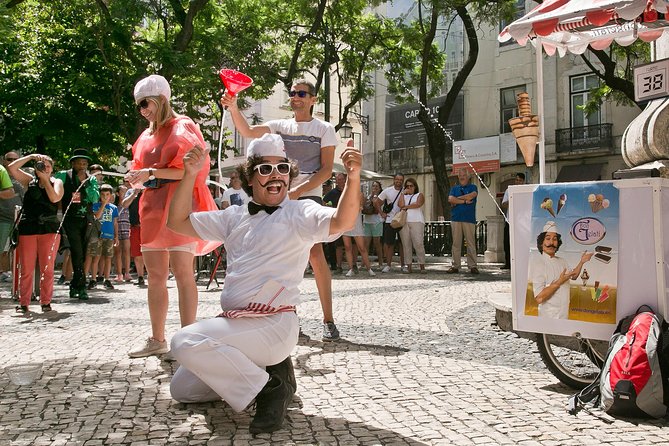
Armazéns do Chiado introduces the former department-store district. The route recalls Antigos Armazéns Grandella, Chiado, Paris em Lisboa, and Ramiro Leão. These names help explain how Lisbon’s retail center developed and how commercial buildings can preserve the memory of earlier city life even after their original businesses change.
The stop takes about 15 minutes. You are not simply being pointed toward a modern shopping center. The guide connects present-day streets with older department stores and the shopping habits of Lisbon’s past.
This is another section where details matter more than a single grand monument. Look at the building fronts, entrances, and decorative traces. Luis has been praised for showing evidence of former uses, and this is the sort of place where that approach pays off.
For shoppers, the route gives useful orientation. For history fans, it shows how social change appears in storefronts and commercial streets. For anyone with limited time, it keeps you in a compact part of central Lisbon instead of sending you far across the city.
Bertrand, Brasileira, and Lisbon’s Literary Street
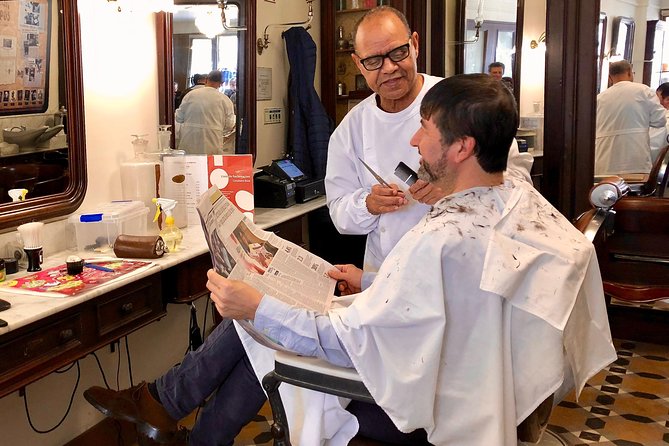
The walk continues along one of Lisbon’s most cosmopolitan streets after the 1755 earthquake. Here you find Bertrand, identified as the oldest bookstore in the world, and Brasileira, the café long associated with artists and writers.
You get about 20 minutes in this part of the route, one of the longer stops. That makes sense. The street combines architecture, books, coffee, and literary memory, with plenty for a guide to point out.
The focus is not only on famous names. It is on how cafés and bookstores became meeting places for writers and intellectuals over many years. You can see why Chiado has a different mood from the more formal Baixa squares. Baixa feels planned and civic. Chiado feels more tied to shops, cafés, conversation, and culture.
Food and drinks are not part of the tour price, so you should not book this expecting a café meal. Still, the area offers a natural place to pause later if you want to return for coffee.
Fernando Pessoa and the Coffeehouse Tradition
The stop at the sculpture of Fernando Pessoa continues the literary thread. It focuses on Lisbon’s legendary coffeehouses, writers, and intellectual circles. Pessoa’s presence gives the route a clear human figure, linking the city’s streets to the people who used them.
You spend about 15 minutes here. That is enough for an introduction and some photographs, but not a full literary biography. If Pessoa is a major reason for your visit, consider reading a little before the walk so the guide’s references have more meaning.
The photographer guide is especially useful at stops like this. You are not limited to a quick self-timer image, and the professional photographer can help record your time in the city while the main guide handles the story.
Ending at Romantic Praça Luís de Camões
The final stop is Praça Luís de Camões, a square that captures Romantic Lisbon and remains one of the city’s lively meeting places. It is also the tour’s endpoint, at the entrance to the Baixa-Chiado underground station.
Ending here works well. After the formal spaces of Baixa and the commercial and literary streets of Chiado, you finish in a square that feels social and open. It is a practical place to continue exploring, use public transportation, or stop for a drink on your own.
The final scheduled pause is about 10 minutes. Since the full experience lasts roughly three to four hours, allow time for walking between stops and for photographs. The individual stop times add up to less than the advertised duration, so the difference is explained by movement, commentary, and pauses along the way.
Is $29.64 a Fair Price?
At $29.64 per person, the price is reasonable if you want a private guide-led orientation to central Lisbon. You are paying for roughly half a day of guiding, a route through two major districts, a professional photographer, and explanations that go beyond the headline sights.
The value is strongest for people who would otherwise walk through Baixa and Chiado without understanding what they are seeing. The guide’s attention to tiles, shopfronts, former businesses, and architecture can turn an ordinary city walk into a more meaningful one.
The price is less attractive if you mainly want transport, museum entry, or meals. Admission is free at the listed stops, and food, drinks, and alcoholic beverages cost extra. Group discounts may help larger parties, but the booking requires at least two people.
The walk is private, which matters. You can ask questions and keep the pace within your own group. Children must be accompanied by an adult, and a child rate applies only when sharing with two paying adults.
Practical Details for a Comfortable Walk
Wear shoes you can use for three to four hours. The route covers central streets and several squares, with frequent standing stops. Lisbon’s pavement can be hard on tired feet, so comfort matters more than fashion here.
The tour is near public transportation and ends at Baixa-Chiado underground station. The start and finish are in different places, so check the route before booking if you are coordinating with a hotel, train, or evening reservation.
Confirmation is provided when you book. Free cancellation is available up to 24 hours before the start time for a full refund. Changes or cancellations inside that 24-hour window are not accepted and are not refunded.
The experience is suitable for most people, but the schedule is active. If you need a slower pace or frequent seated breaks, ask about that before booking rather than assuming the route can be altered.
Who Should Book This Lisbon Walk?
I would choose this experience if you want context, small details, and a private pace. It suits first-time visitors who want to understand Baixa and Chiado, repeat visitors who missed the old shops and literary corners, and anyone who enjoys architecture more than checking off monuments.
It is also a good fit for couples, families with older children, and small groups who want vacation photographs taken along the way. The photographer is a meaningful addition, especially if you usually return home with many pictures of everyone except yourself.
I would skip it if your main goal is a long interior visit, a food tour, or a ride on the Santa Justa lift. Those are not the core of the experience. Book it for the city story, the close look at ordinary details, and the chance to connect Lisbon’s grand squares with its tiny shops and cafés.
FAQ
Where does the tour begin?
It begins at Estação Ferroviária do Sul e Sueste, at Av. Infante Dom Henrique 1B, 1100-016 Lisboa, Portugal.
Where does the tour end?
It ends at Praça Luís de Camões, near the entrance of the Baixa-Chiado underground station.
How long does the walking tour last?
The experience lasts approximately three to four hours.
Is this a private tour?
Yes. Only your group participates, and a minimum of two people per booking is required.
What areas of Lisbon does the tour cover?
The route covers Baixa and Chiado, including their major squares, shops, cafés, churches, and literary landmarks.
Is a photographer included?
Yes. A professional photographer guide accompanies the experience.
Is a local guide included?
Yes. The price includes a local guide and a professional guide. Luis is one guide associated with the experience.
Are entrance tickets included?
The listed stops have no admission ticket charge. The experience does not state that separate paid attractions or rides are included.
Are food and drinks included?
No. Food, drinks, and alcoholic beverages are not included unless a specific value-added offer is stated by the guidebook.
Can I cancel for a full refund?
Yes. You can cancel at least 24 hours before the start time for a full refund. Cancellations or changes made less than 24 hours before the start time are not refunded.
Just added around Lisbon
- Marriage proposal on a Vintage Sailboat★ 5.0 · 4 reviews
- Romantic Sintra, Cabo da Roca and Charming Cascais full day Private Tour★ 5.0 · 5 reviews
- The Visionary Romantic Sintra Experience★ 5.0 · 5 reviews
- Romantic Sunset Sailing Experience in Lisbon★ 5.0 · 33 reviews
- Lisbon Private Romantic 2h Cruise with sparkling wine-Day/Sunset★ 5.0 · 24 reviews
- Fairy-Tale Romantic Sintra & Fishermen Village Cascais Highlights★ 5.0 · 2 reviews
- Sintra Romance and Mystery Private Tour★ 5.0 · 9 reviews
- Lisbon: Romantic Cruise with Wine & Portuguese Tapas★ 5.0 · 12 reviews
Lisbon Romantic Experiences, compared.

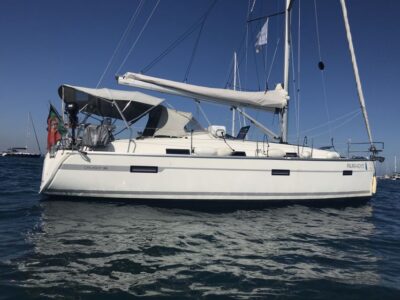
Private Romantic cruise with sparkling wine- 2-Hour- Lisbon
Read our review →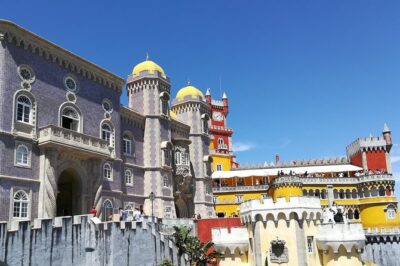
Private Tour Romantic Sintra, Cabo da Roca & Cascais
Read our review →

Lisbon Private Romantic 2h Cruise with sparkling wine-Day/Sunset
Read our review →
Browse the lists this tour appears in